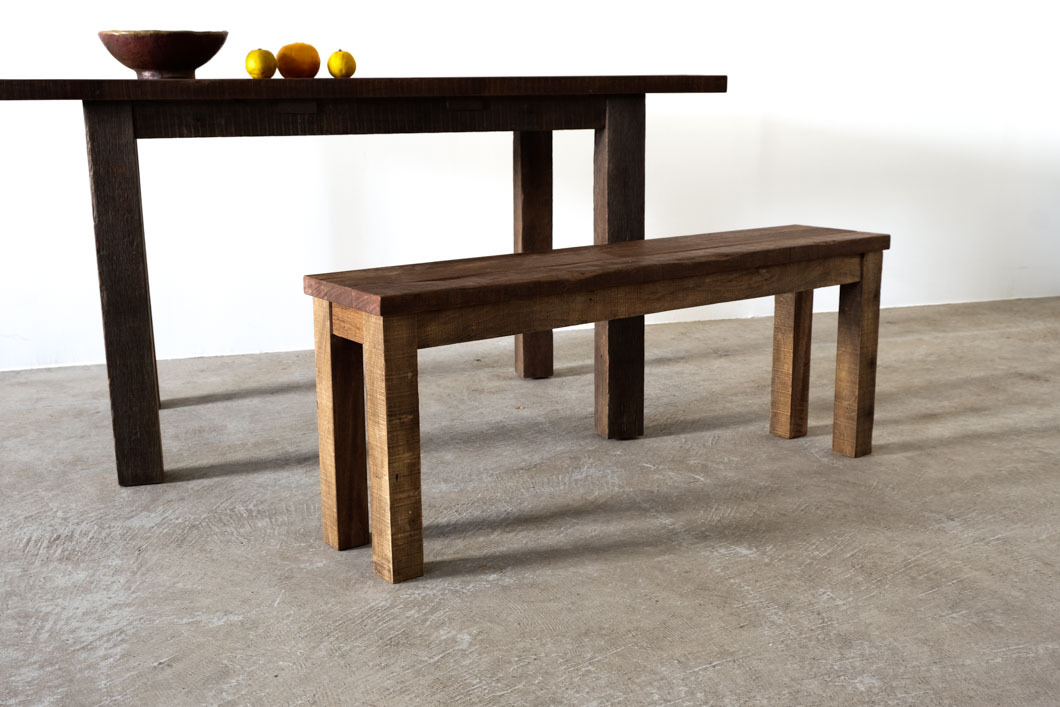
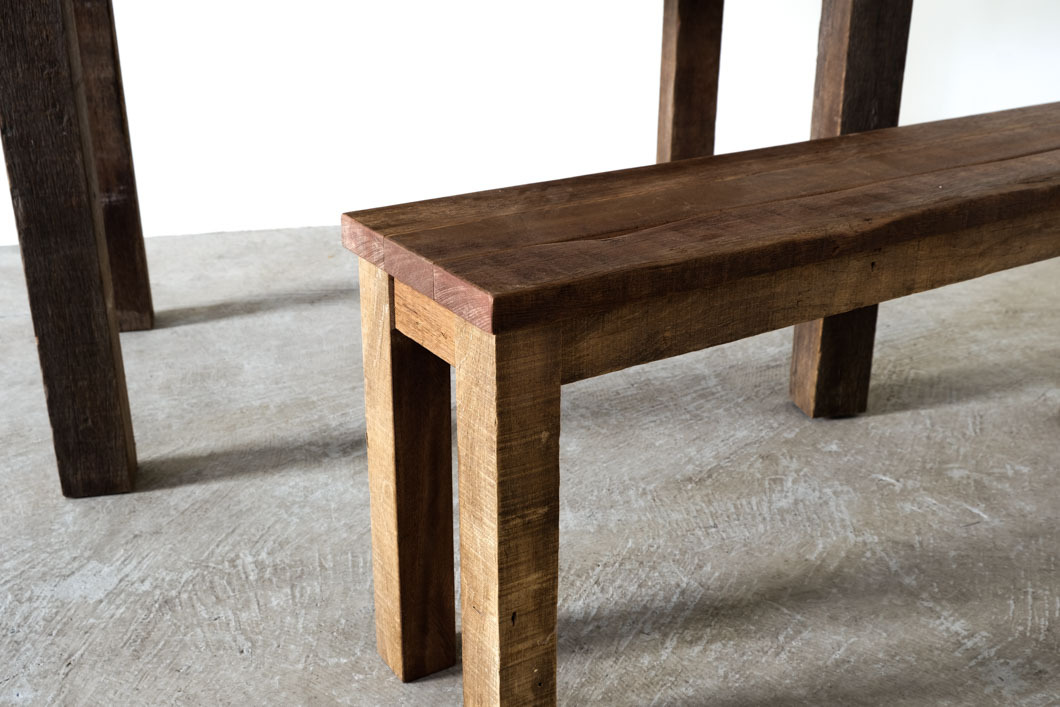
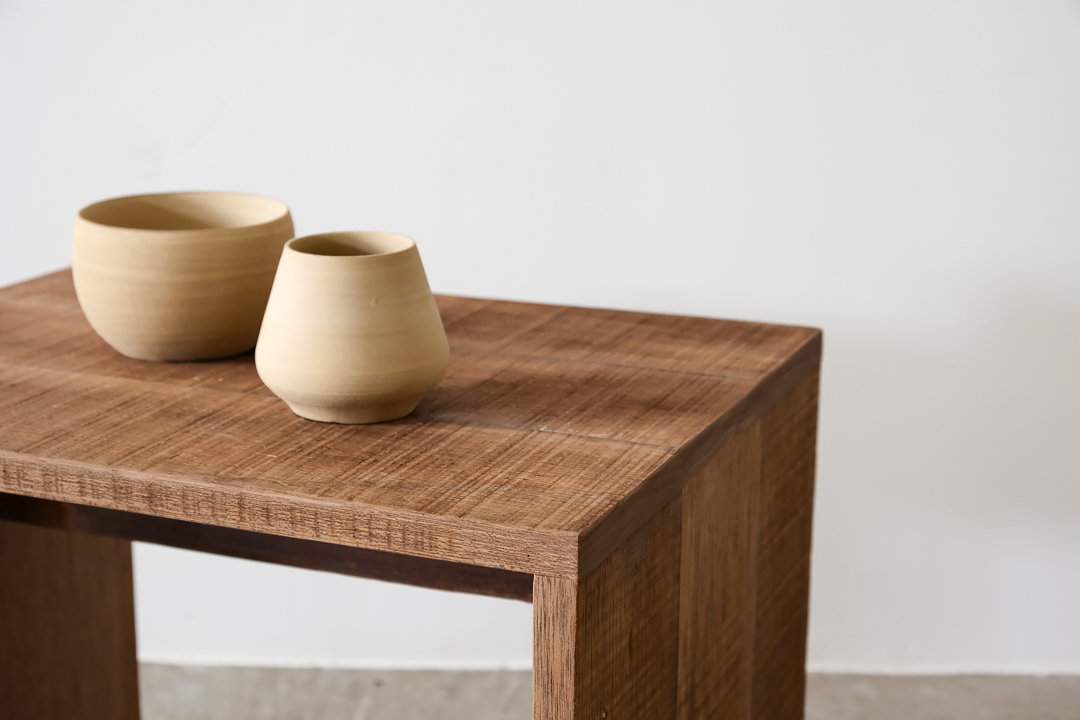
Photo by Maria Orlova on Pexels media
{{ 'fb_in_app_browser_popup.desc' | translate }} {{ 'fb_in_app_browser_popup.copy_link' | translate }}
{{ 'in_app_browser_popup.desc' | translate }}
追蹤木島IG領百元優惠卷 立即領取!
會員獨家95折 結帳輸入:VIPONLY
{{ childProduct.title_translations | translateModel }}
{{ getChildVariationShorthand(childProduct.child_variation) }}
{{ getSelectedItemDetail(selectedChildProduct, item).childProductName }} x {{ selectedChildProduct.quantity || 1 }}
{{ getSelectedItemDetail(selectedChildProduct, item).childVariationName }}
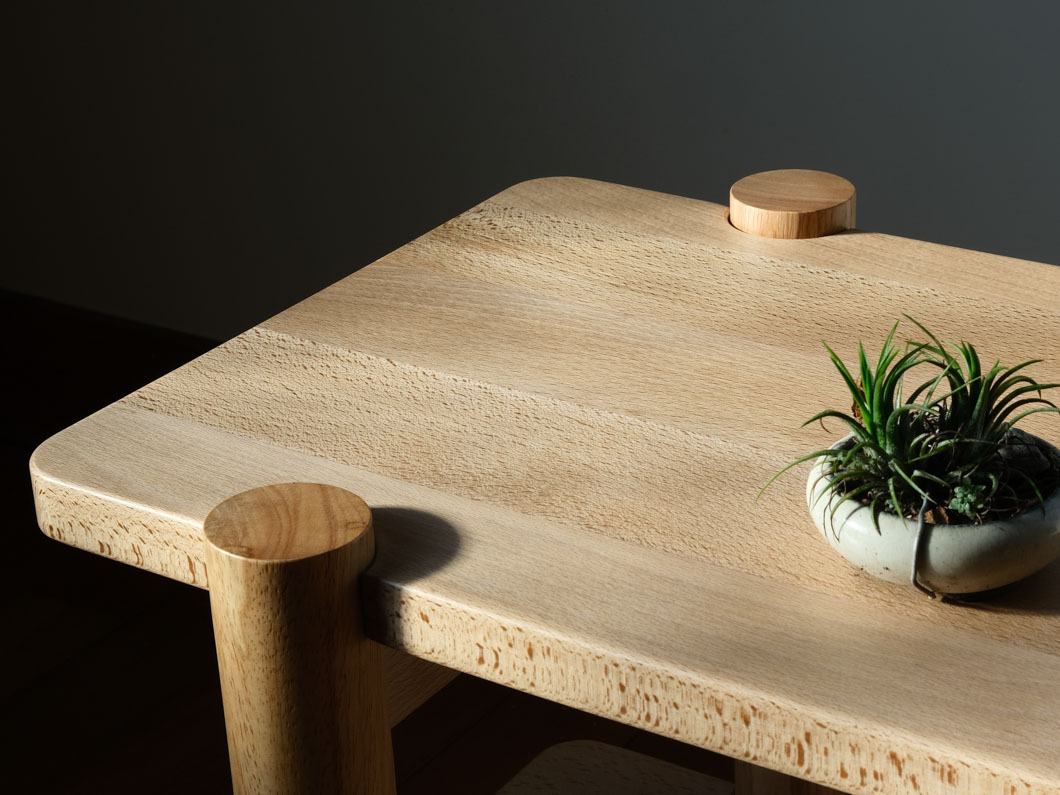
Panel gluing is one of the common techniques used in furniture making, consisting of several pieces of the same type of wood with similar widths joined together.
Panel gluing possesses unique characteristics and advantages. Let’s delve deeper into panel gluing and its different types.
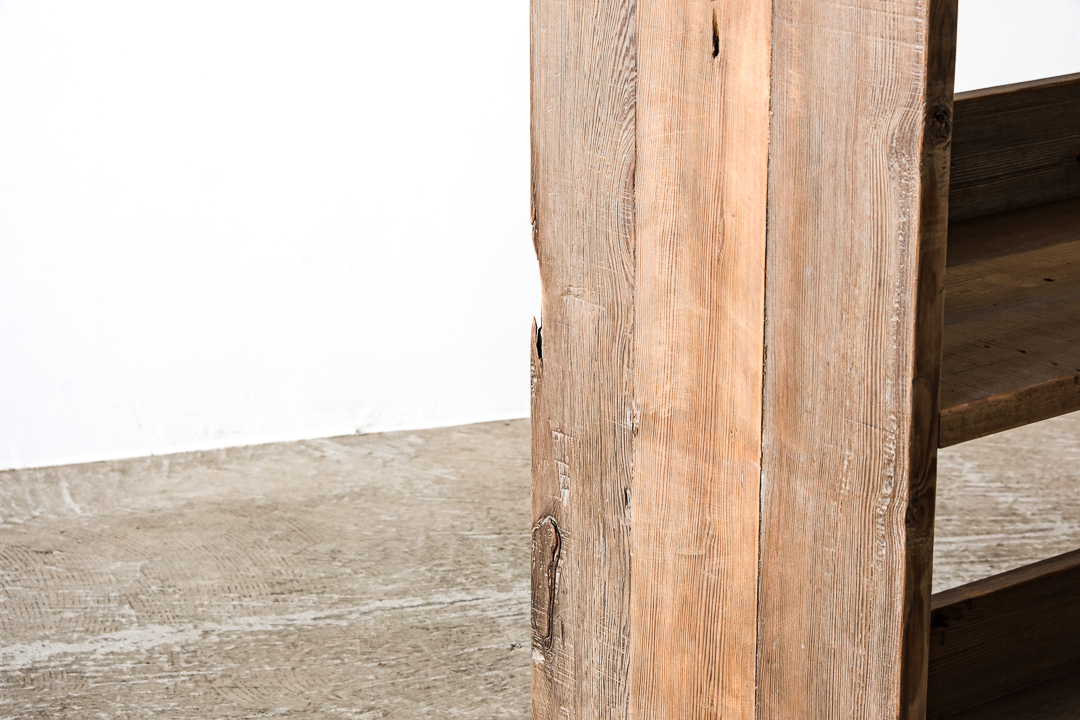
When the width of the wood is insufficient for a large area, craftsmen use panel gluing techniques to join multiple boards together. The main functions include:
1. Saving Raw Materials: Panel gluing allows the use of parts or incomplete sections of multiple pieces of wood, thereby saving raw materials and reducing waste.
2. Lower Cost: Smaller pieces of wood cost less per unit. Since panel gluing involves joining multiple pieces of wood, it effectively uses offcuts or wood with insufficient width, making furniture made from panel gluing usually cheaper.
3. Stability: Over time, wood tends to change, and each board warps in a different direction. Panel gluing, made from multiple pieces of wood, has a relatively stable internal structure, which can reduce issues of warping or cracking.
4. Ease of Processing: Panel gluing can be assembled to meet specific length and width requirements as per design needs, and the glued standard boards are convenient to cut, saving a lot of processing time.
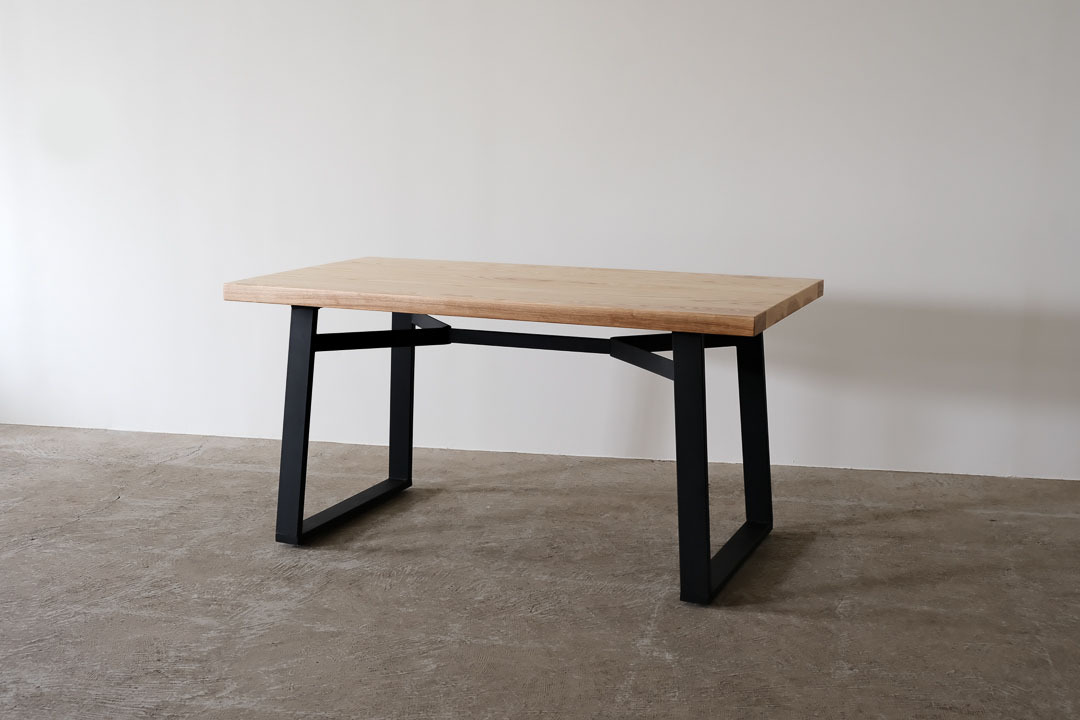
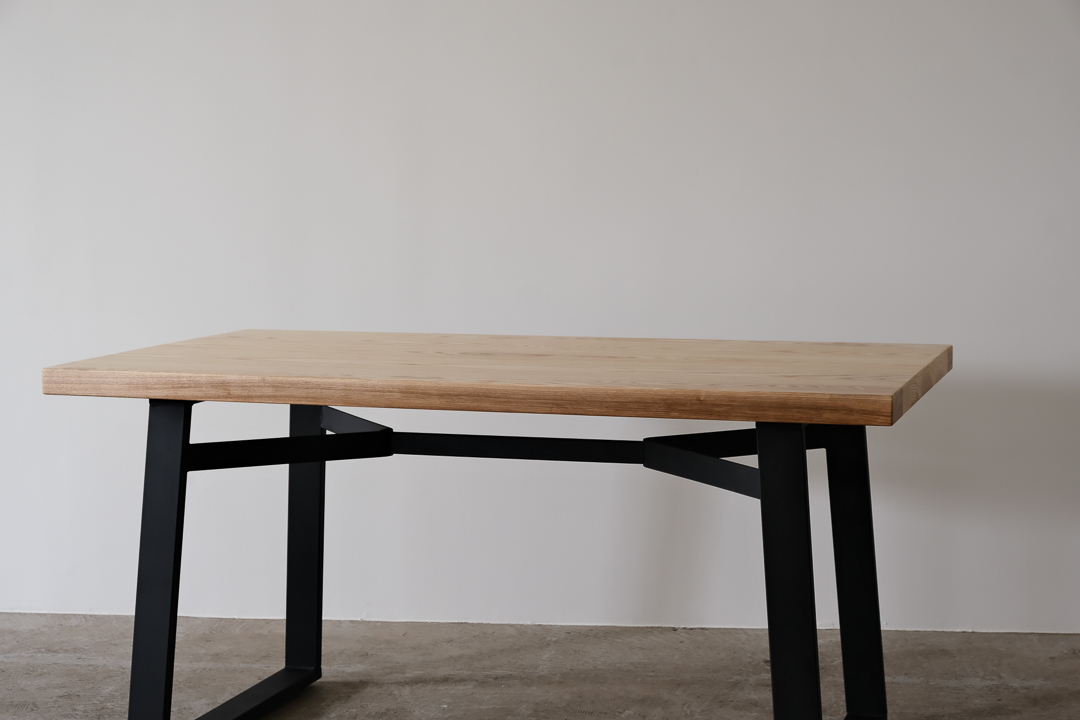
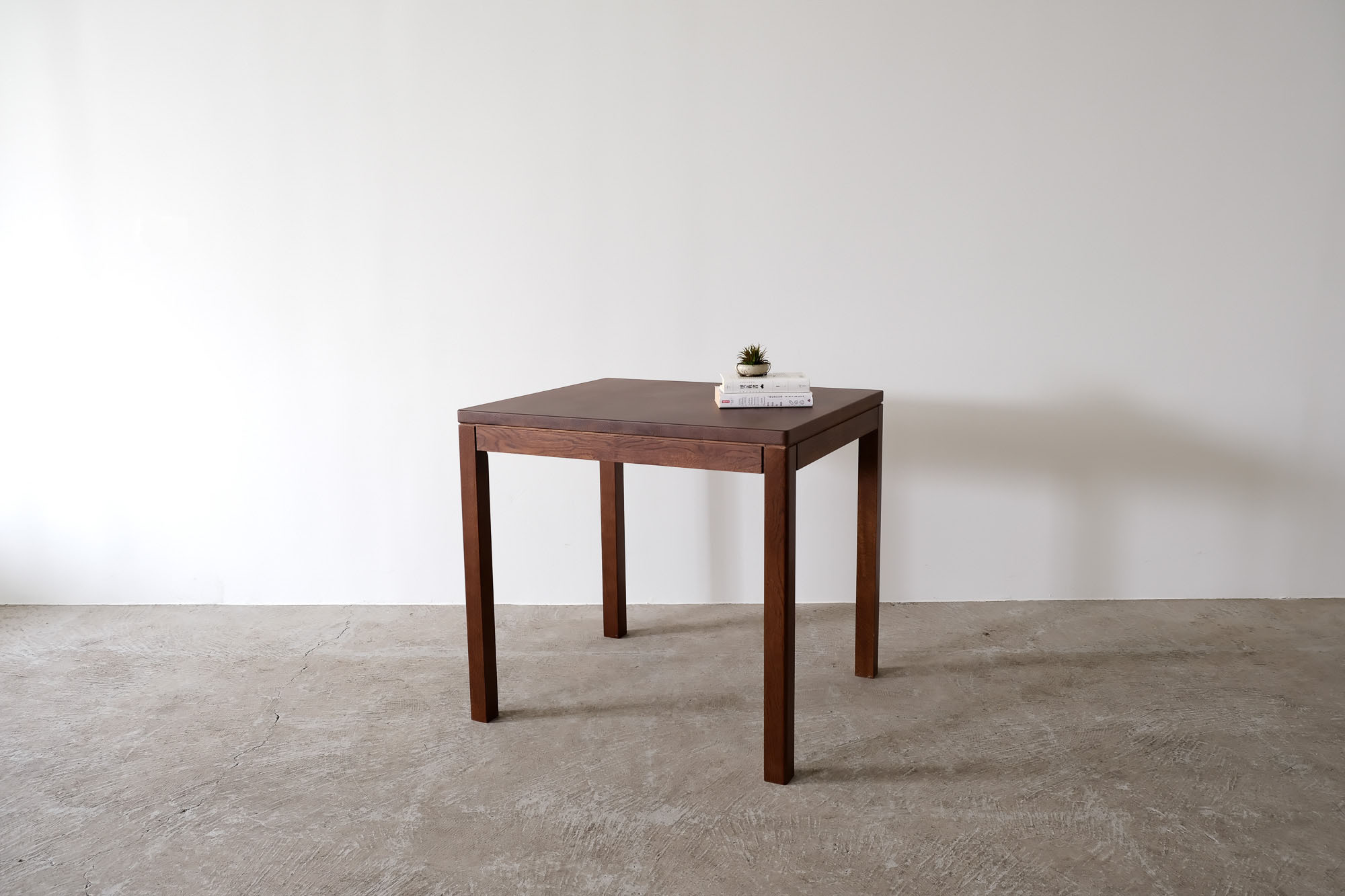
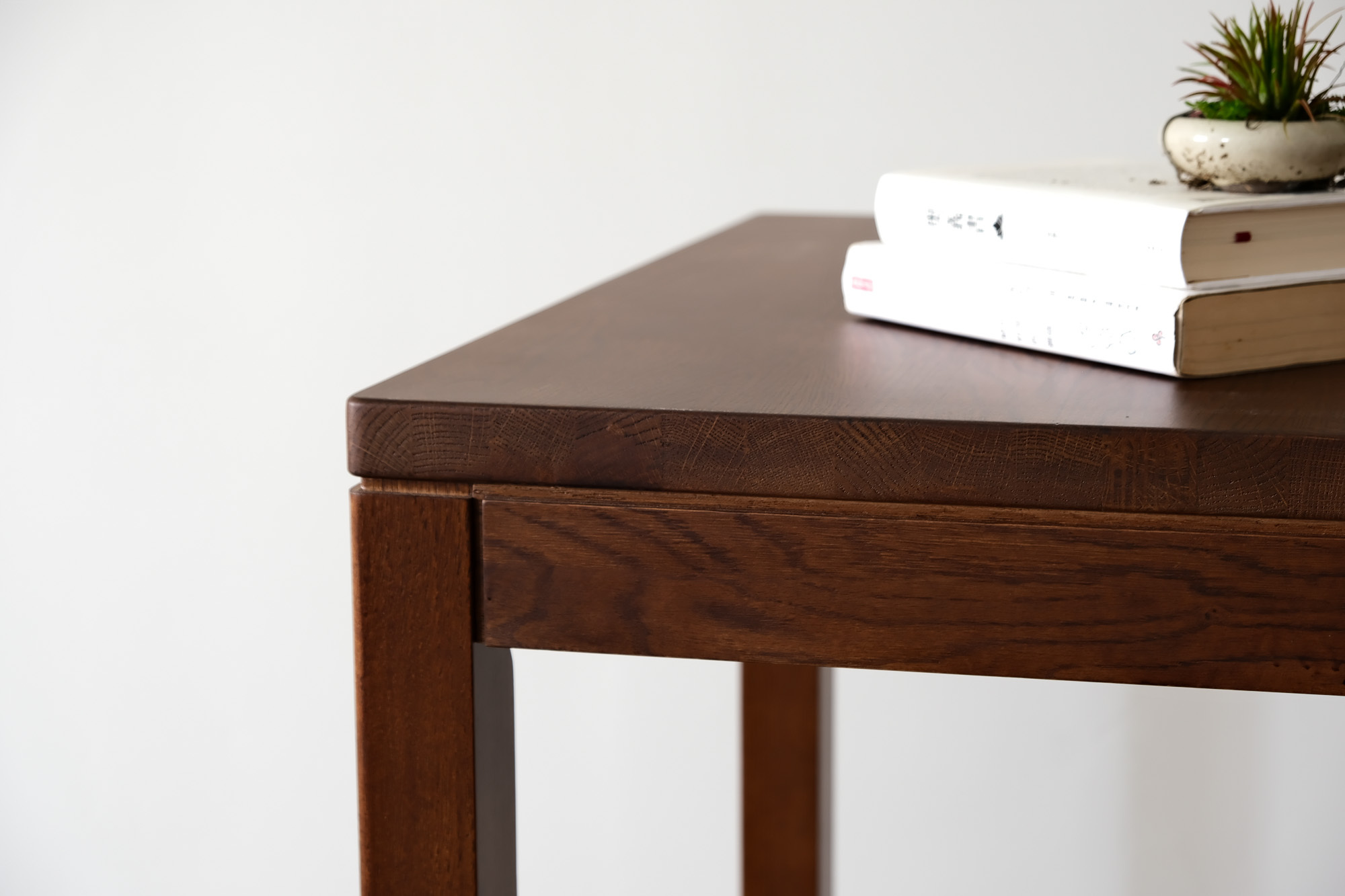
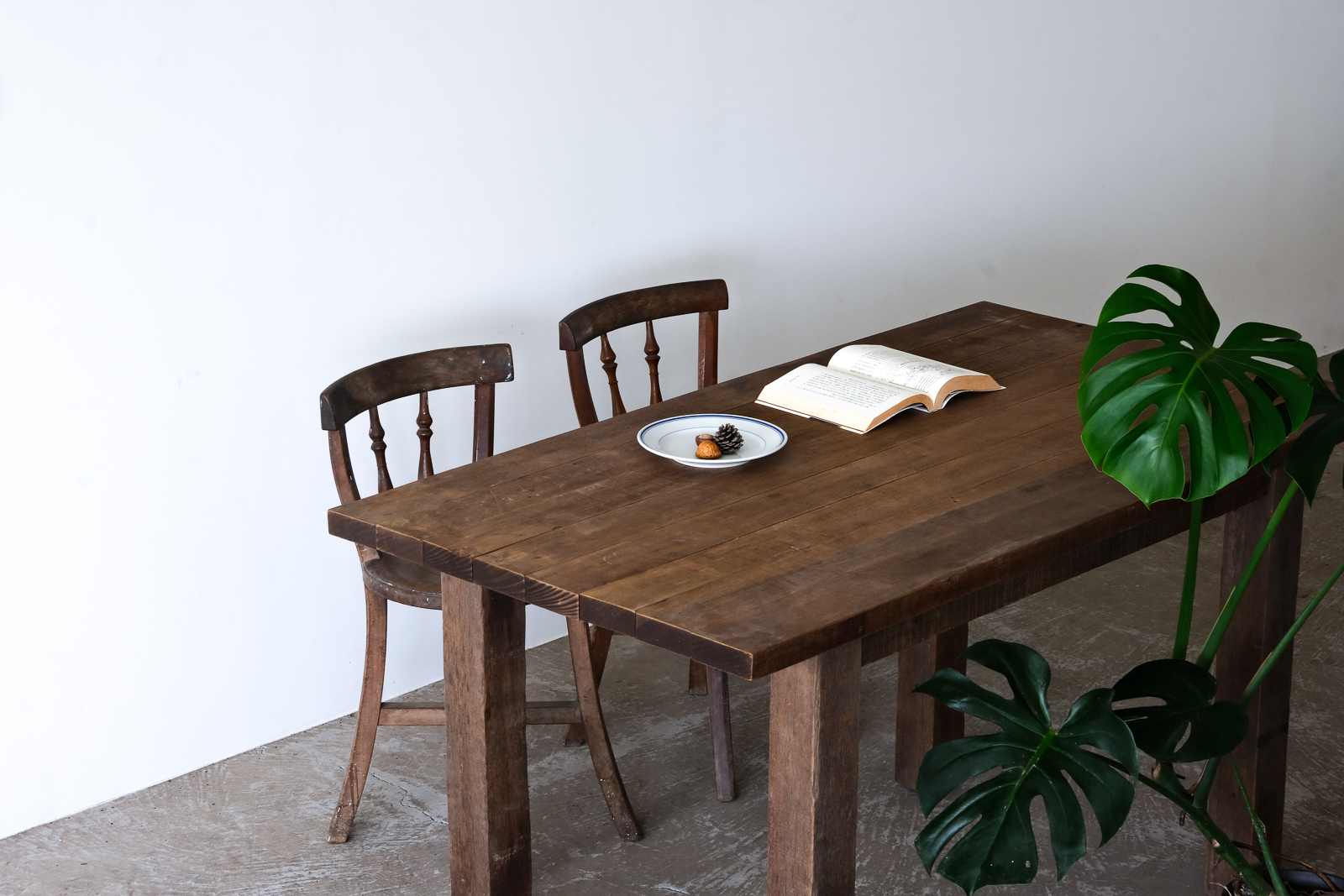
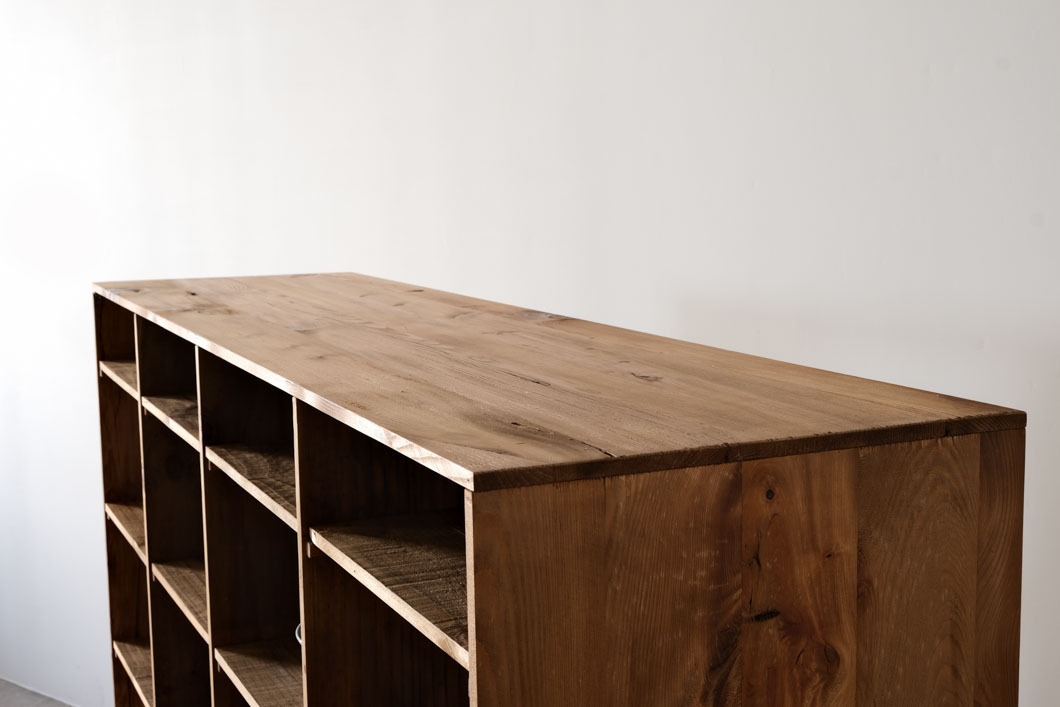
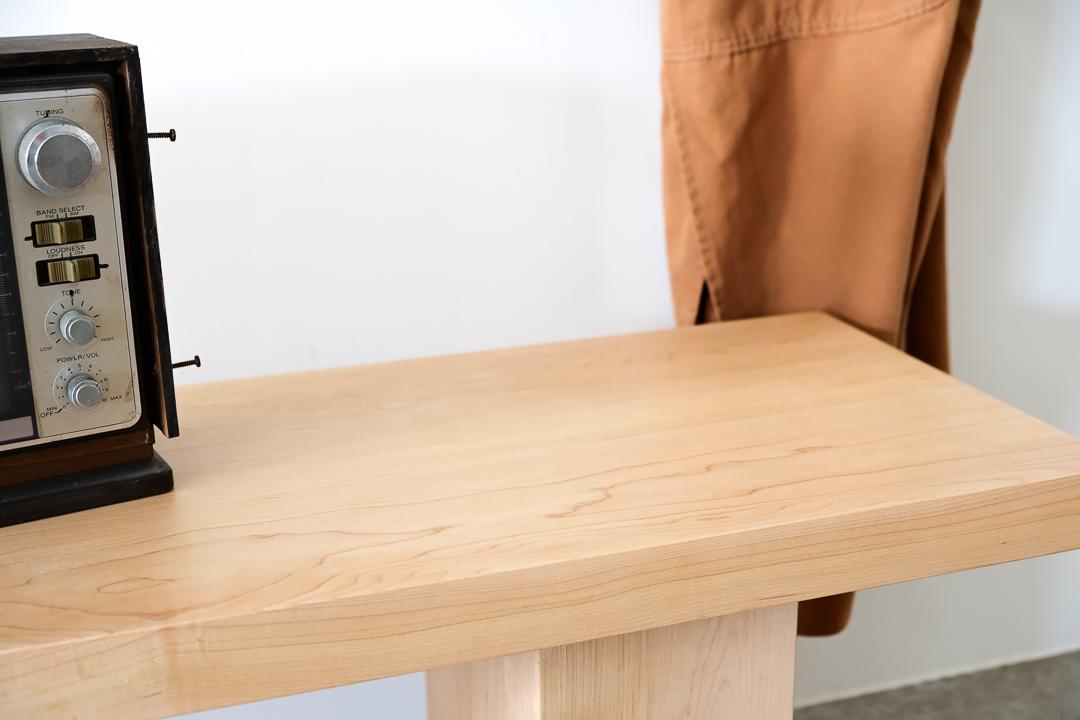
Butt joint panels are characterized by the wood being arranged and joined in the same direction, usually wider than finger joint panels, with less noticeable seams. They are commonly used for products that require a neat appearance and large flat surfaces, like dining table tops and TV stands.
Finger joint panels are assembled using finger joints, which increase the joining surface area, making the joints stronger and less prone to misalignment. In Taiwan, finger joint panels often refer to small pieces of wood joined together, not necessarily using the same length on the long sides.
Apart from using finger joints, various other joining techniques can be employed for panel gluing. Below are some techniques commonly used by Bokto Furniture:
• Flat Edge Joining: The most common panel gluing method, where the long edges of the wood are planed flat. Two pre-glued boards are coated with strong penetrating panel glue and then clamped tightly together.
• Half-Slot Edge Joining: Often used for thin panels set into wooden frames, like furniture back panels and drawer bottoms. When the wood expands or contracts, the grooves at each joint prevent the furniture from developing gaps.
• Tongue and Groove Edge Joining: The thickness of the tongue is generally 1/3 of the board. This technique increases the wood’s joining surface area, making the panel more robust. It is mostly used in tabletops and wooden seat surfaces.